Moodle
Open-source LMS for online learning
Free
Support platforms
web
What is Moodle
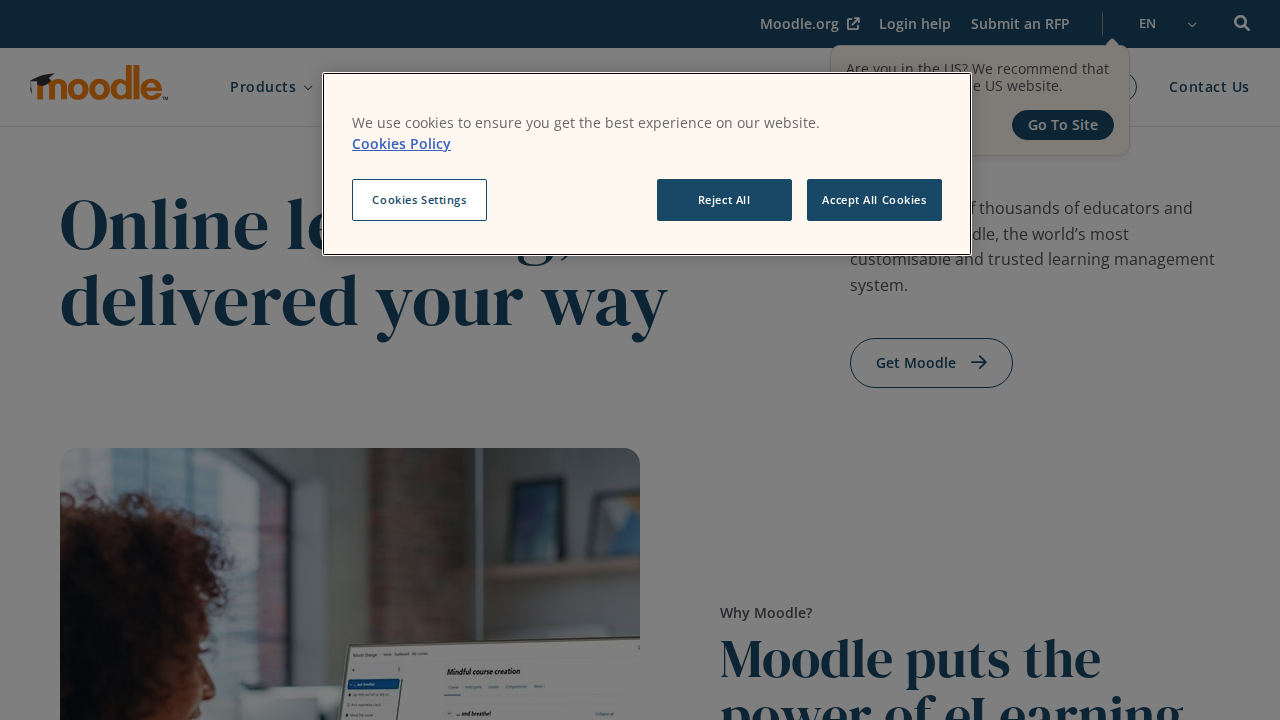
Moodle is a leading open-source Learning Management System (LMS) designed to empower educators and institutions to create and deliver effective online learning experiences. It offers a comprehensive suite of features for course creation, student management, assessment, and collaboration. Moodle stands out due to its flexibility, extensive customization options, and large community support. Unlike proprietary LMS platforms, Moodle's open-source nature allows for complete control and modification of the platform. It leverages PHP and a modular architecture, supporting a wide range of plugins and integrations. Moodle benefits K-12 schools, higher education institutions, and corporate training programs, providing a robust and adaptable solution for diverse learning needs.
Moodle 's Core features
Course Creation Tools
Moodle provides a rich set of tools for educators to design and structure their online courses. This includes a drag-and-drop interface for organizing content, support for various multimedia formats (videos, audio, PDFs), and a wide array of activity modules such as forums, quizzes, assignments, and wikis. These features enable educators to create engaging and interactive learning experiences, fostering student participation and knowledge retention.
User Management & Enrollment
Moodle offers robust user management capabilities, allowing administrators to create, manage, and organize user accounts efficiently. It supports various enrollment methods, including self-enrollment, manual enrollment, and cohort-based enrollment. Integration with external authentication systems (e.g., LDAP, SAML) simplifies user access management, especially for large institutions. This streamlines the process of onboarding students and managing their access to courses and resources.
Assessment & Grading
Moodle includes comprehensive assessment and grading tools, such as quizzes, assignments, and grading rubrics. Educators can create various question types for quizzes, including multiple-choice, true/false, and short answer questions. The platform automatically grades quizzes and provides detailed feedback to students. Assignments can be submitted online, and educators can provide feedback and grades. This facilitates efficient assessment and provides students with timely feedback on their progress.
Collaboration & Communication
Moodle facilitates collaboration and communication among students and educators through integrated features like forums, messaging, and chat. Forums allow for asynchronous discussions, enabling students to share ideas, ask questions, and engage in collaborative learning. Messaging and chat features enable real-time communication. These tools foster a sense of community and promote active participation in online learning environments.
Customization & Extensibility
Moodle's open-source nature allows for extensive customization and extensibility. Users can modify the platform's appearance using themes and customize its functionality by installing plugins. The Moodle plugin directory offers a vast library of plugins for various purposes, including integrations with external tools, enhanced assessment features, and specialized learning activities. This flexibility allows institutions to tailor Moodle to their specific needs and preferences.
Reporting & Analytics
Moodle provides comprehensive reporting and analytics capabilities, enabling educators and administrators to track student progress and assess course effectiveness. The platform generates detailed reports on student activity, quiz results, and assignment submissions. Data can be exported for further analysis. These insights help educators identify areas where students may be struggling and make data-driven decisions to improve the learning experience.
How to use Moodle
- Visit moodle.com and explore the platform's features and capabilities. 2. Download the Moodle software from the official website or use a cloud-based hosting provider. 3. Install Moodle on your server, following the installation guide for your operating system (e.g., Linux, Windows). 4. Configure your Moodle site by setting up the database, defining site settings, and creating user accounts. 5. Create courses, add learning materials (e.g., text, videos, quizzes), and enroll students. 6. Customize the appearance and functionality of your Moodle site using themes and plugins to meet your specific needs.
Use cases of Moodle
K-12 Education
Teachers use Moodle to create online classrooms, deliver lessons, assign homework, and assess student understanding. They can upload learning materials, create quizzes, and facilitate discussions. Students access the platform to complete assignments, participate in forums, and track their progress. This provides a centralized and accessible learning environment.
Higher Education
Universities and colleges utilize Moodle to host entire courses, manage student enrollment, and provide access to course materials. Professors can create interactive lectures, administer exams, and grade assignments. Students can access course content, submit work, and communicate with instructors and peers. This supports blended and fully online learning models.
Corporate Training
Companies use Moodle to deliver employee training programs, onboard new hires, and provide ongoing professional development. HR departments create training modules, track employee progress, and assess knowledge retention. Employees access training materials, complete assessments, and participate in discussions. This ensures consistent and accessible training across the organization.
Non-Profit Organizations
Non-profits leverage Moodle to provide educational resources and training to their members, volunteers, and beneficiaries. They can create online courses, share information, and facilitate discussions. This enables them to reach a wider audience and provide accessible learning opportunities. This is especially useful for organizations with limited budgets.
Who benefits from Moodle
Educators & Teachers
Teachers and educators benefit from Moodle's user-friendly interface and comprehensive course creation tools. They can easily design and deliver engaging online lessons, manage student assignments, and track student progress, all within a single platform. This simplifies their workflow and improves teaching effectiveness.
Educational Institutions
Schools, colleges, and universities can leverage Moodle to create a centralized learning environment for their students. The platform's scalability, customization options, and open-source nature make it ideal for institutions of all sizes. This allows them to offer online courses and support blended learning models.
Corporate Training Departments
HR and training departments can use Moodle to deliver employee training programs, onboard new hires, and provide ongoing professional development. The platform's features for tracking progress, assessing knowledge, and facilitating communication streamline the training process and ensure compliance.
Non-Profit Organizations
Non-profits can use Moodle to provide educational resources and training to their members, volunteers, and beneficiaries. The platform's open-source nature and flexibility make it an affordable solution for organizations with limited budgets. This enables them to reach a wider audience and provide accessible learning opportunities.
Pricing of Moodle
Free and open-source under the GNU General Public License. Cloud hosting and support services are available at various price points depending on the features and support needed.