DeepLearning.AI
ChatGPT Prompt Engineering Course
Paid
Support platforms
web
What is DeepLearning.AI
DeepLearning.AI's "ChatGPT Prompt Engineering for Developers" course provides developers with practical skills to effectively utilize Large Language Models (LLMs). The course focuses on prompt engineering best practices, enabling users to automate workflows, chain LLM calls, and build custom chatbots. Unlike generic AI courses, this program offers hands-on training tailored for developers, emphasizing code-based examples and practical application. It leverages the power of ChatGPT, offering a focused learning experience. Developers, AI engineers, and anyone looking to enhance their LLM skills will benefit from this course, gaining the ability to create more effective and efficient AI-powered applications.
DeepLearning.AI 's Core features
Prompt Engineering Fundamentals
The course teaches core prompt engineering principles, including clear instruction, role-playing, and iterative refinement. Students learn to craft prompts that elicit desired responses from ChatGPT. This involves understanding prompt structure, context setting, and output formatting. Mastering these fundamentals is crucial for maximizing the accuracy and relevance of LLM outputs, leading to more effective AI applications.
Automated Workflow Creation
Learn to automate tasks by chaining multiple LLM calls. This involves designing prompts that pass information between different LLM interactions, creating complex workflows. For example, you can build a system that summarizes text, translates it, and then generates a social media post, all automatically. This feature significantly boosts productivity by streamlining repetitive tasks.
Custom Chatbot Development
The course guides you through building custom chatbots using prompt engineering techniques. This includes designing conversational flows, setting personality, and integrating external data sources. You'll learn how to create chatbots that can answer specific questions, provide customer support, or engage in creative tasks. This is achieved by fine-tuning prompts to control the chatbot's behavior and response style.
Code-Based Examples
The course provides practical, code-based examples using Python and relevant libraries. This hands-on approach allows developers to immediately apply learned concepts. Code snippets demonstrate how to interact with the ChatGPT API, structure prompts, and process responses. This practical focus accelerates learning and enables rapid prototyping of AI-powered applications.
Iterative Prompt Refinement
The course emphasizes the iterative process of prompt refinement. Students learn to analyze LLM outputs, identify areas for improvement, and adjust prompts accordingly. This includes techniques like prompt versioning, A/B testing, and feedback loops. This iterative approach is crucial for optimizing prompt performance and achieving desired results from LLMs.
How to use DeepLearning.AI
- Visit the DeepLearning.AI website and navigate to the "Courses" section.,2. Locate and select the "ChatGPT Prompt Engineering for Developers" course.,3. Review the course curriculum and prerequisites (basic Python knowledge is recommended).,4. Enroll in the course (may require a subscription or one-time payment).,5. Complete the modules, which include video lectures, code examples, and quizzes.,6. Apply the learned prompt engineering techniques to your own projects and experiments.
Use cases of DeepLearning.AI
AI-Powered Customer Support
Customer support teams can use the course to build chatbots that answer common customer queries. By crafting specific prompts, they can train the chatbot to provide accurate and helpful responses, reducing the workload on human agents and improving customer satisfaction. This leads to faster response times and 24/7 availability.
Content Generation Automation
Content creators can automate content generation tasks, such as writing blog posts, social media updates, and product descriptions. By using prompt engineering, they can create prompts that generate high-quality content based on specific keywords and requirements. This significantly speeds up the content creation process and boosts productivity.
Data Analysis and Summarization
Data analysts can use the course to build tools that summarize and analyze large datasets. They can create prompts that extract key insights, identify trends, and generate concise summaries. This helps them quickly understand complex data and make data-driven decisions. This also reduces the time spent on manual data review.
Software Development Assistance
Software developers can leverage the course to create tools that assist in code generation, debugging, and documentation. They can craft prompts that generate code snippets, explain complex code, and create documentation. This improves developer productivity and reduces the time spent on repetitive tasks.
Who benefits from DeepLearning.AI
Software Developers
Developers need this course to learn how to integrate LLMs into their applications. They can use prompt engineering to build AI-powered features, automate tasks, and improve user experiences. This course provides the practical skills and code examples they need to succeed.
AI Engineers
AI engineers can use this course to deepen their understanding of prompt engineering and refine their LLM models. They can learn advanced techniques for optimizing prompts, improving model performance, and building custom AI solutions. This course enhances their ability to create effective AI applications.
Data Scientists
Data scientists can use this course to leverage LLMs for data analysis, summarization, and insight generation. They can learn to craft prompts that extract valuable information from data, automate reporting, and improve decision-making. This course helps them to unlock the power of LLMs for data-driven projects.
Technical Product Managers
Technical product managers can use this course to understand the capabilities of LLMs and how to integrate them into their products. They can learn to define prompt engineering strategies, evaluate LLM performance, and make informed decisions about AI-powered features. This course helps them to build innovative and competitive products.
Pricing of DeepLearning.AI
Pricing details are available on the DeepLearning.AI website. Course access typically requires a subscription or a one-time payment.
More similar tools like DeepLearning.AI

Grok
Grok 4 Fast is an AI tool that excels in math and reasoning tasks while providing superior web search capabilities.

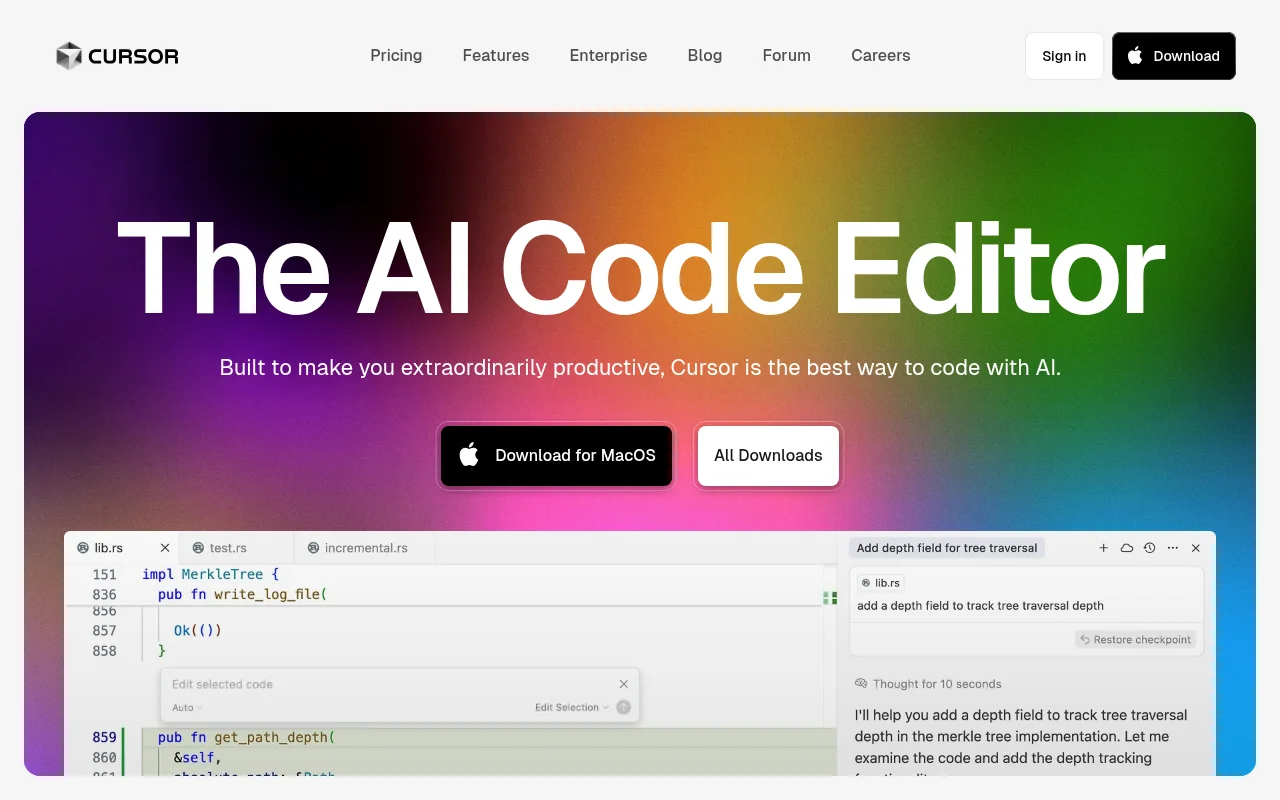
BLACKBOX AI
BLACKBOX IDE is an AI-powered development environment that helps you code faster and more efficiently.

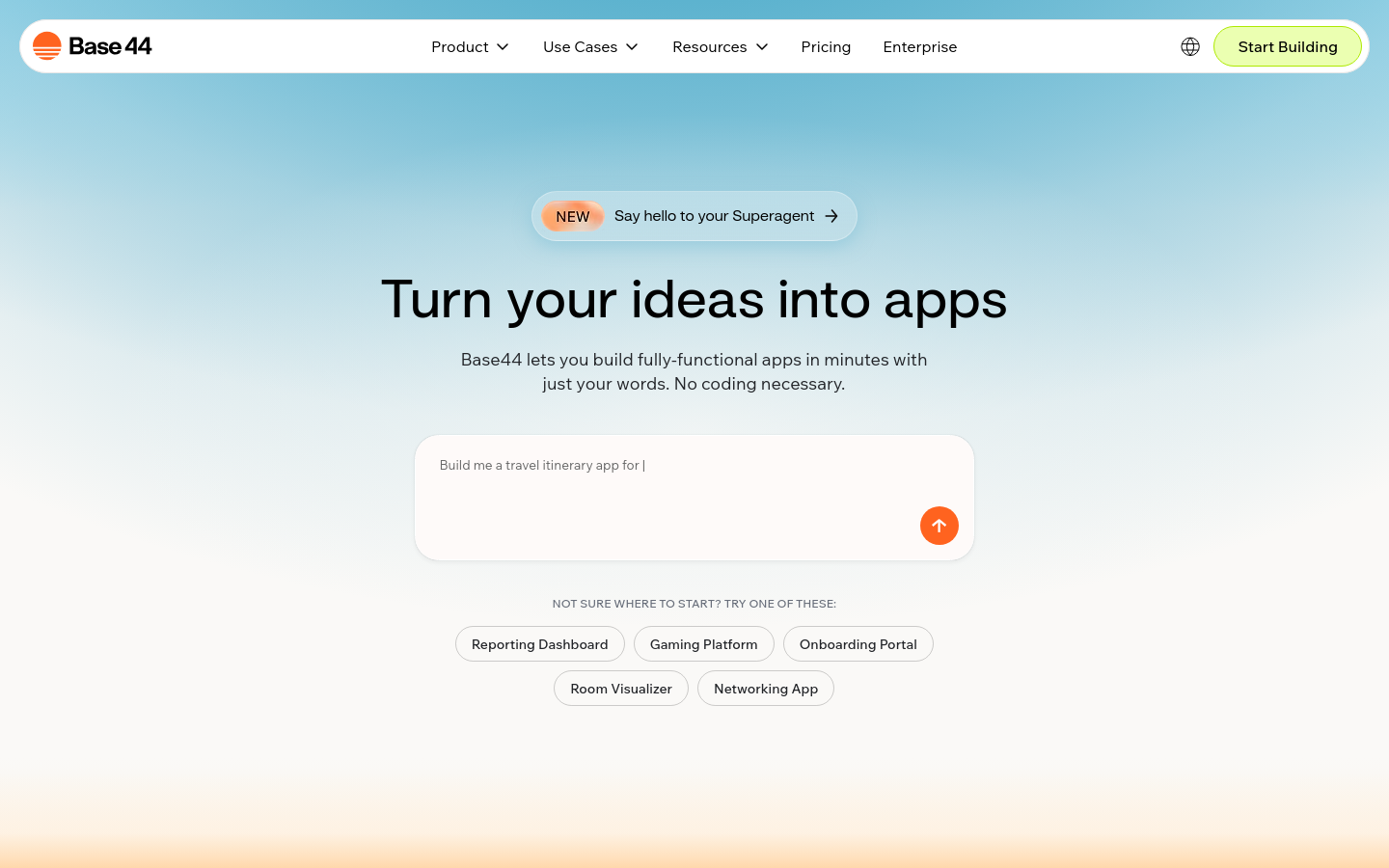
Base44
Base44 is an AI-powered platform that allows users to create fully-functional apps without coding.