Pxdiv
AI-Powered CSS Layout Engine
Freemium
Support platforms
web
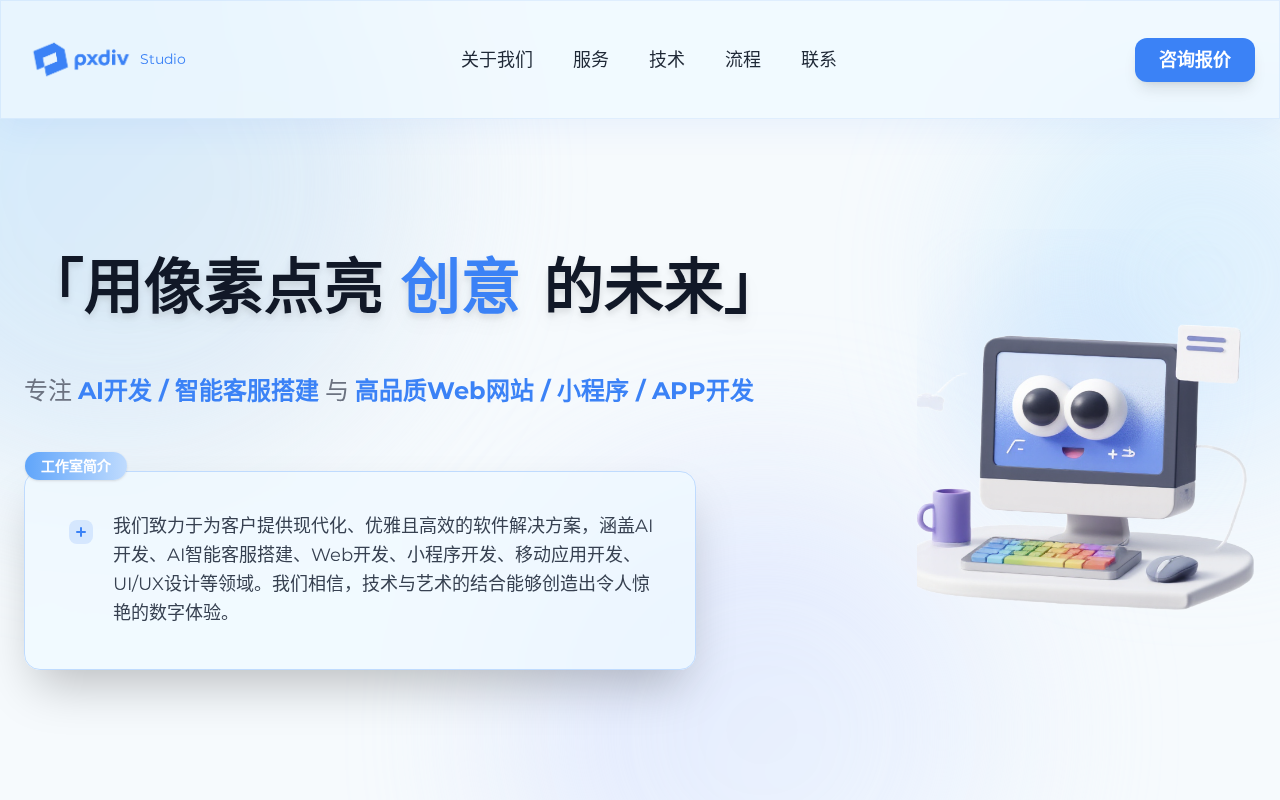
What is Pxdiv
Pxdiv is a specialized AI-driven tool designed to bridge the gap between visual design and production-ready CSS. Unlike standard design-to-code converters that generate bloated, non-semantic markup, Pxdiv utilizes a proprietary layout engine to interpret visual hierarchies and output clean, maintainable CSS/SCSS. It focuses on responsive design patterns, ensuring that generated layouts adhere to modern flexbox and grid standards. By automating the translation of pixel-perfect designs into structured stylesheets, it significantly reduces the manual front-end development overhead for complex UI components.
Pxdiv 's Core features
Semantic CSS Generation
Pxdiv prioritizes semantic class naming conventions over generic utility classes. By analyzing the DOM structure of the input design, it generates CSS that mirrors the logical hierarchy of the UI. This ensures that the resulting codebase is readable, maintainable, and follows industry-standard BEM (Block Element Modifier) methodology, reducing technical debt compared to standard AI code generators.
Responsive Breakpoint Detection
The engine automatically identifies responsive design patterns within uploaded assets. It calculates media query thresholds based on visual element shifts, ensuring that layouts adapt fluidly across mobile, tablet, and desktop viewports. This eliminates the need for manual media query adjustments, saving developers approximately 30-40% of the time usually spent on responsive styling.
Design System Integration
Pxdiv allows users to map design tokens—such as color palettes, typography scales, and spacing units—to their existing project variables. By syncing with your design system, the tool ensures that generated CSS uses your project's defined constants rather than hardcoded pixel values, maintaining design consistency across the entire application.
Flexbox and Grid Optimization
Rather than using absolute positioning, Pxdiv intelligently determines the most efficient layout model for each container. It prioritizes CSS Grid for complex two-dimensional layouts and Flexbox for one-dimensional alignment. This approach results in more robust, flexible code that handles dynamic content changes without breaking the layout structure.
Component-Level Export
The tool supports granular exports, allowing developers to isolate and extract styles for individual components like buttons, cards, or navigation bars. This modular approach integrates seamlessly with component-based frameworks like React, Vue, or Svelte, enabling developers to import styles directly into their component files without unnecessary global CSS bloat.
How to use Pxdiv
- Navigate to pxdiv.com and authenticate via your GitHub or Google account.,2. Upload your design file (Figma, Sketch, or high-fidelity image) to the workspace.,3. Select the specific UI component or layout block you wish to convert.,4. Configure the output preferences, such as CSS framework (Tailwind, Bootstrap) or raw SCSS.,5. Click 'Generate' to trigger the AI layout analysis and code extraction.,6. Copy the generated CSS snippet or export the file directly to your local project directory.
Use cases of Pxdiv
Rapid Prototyping
Front-end developers can convert high-fidelity design mockups into functional CSS in minutes. This allows for rapid iteration cycles where design changes can be reflected in the codebase almost instantly, perfect for agencies working on tight client deadlines.
Legacy Code Refactoring
Developers tasked with modernizing legacy applications can use Pxdiv to extract clean CSS from outdated visual designs. By re-generating styles using modern CSS Grid and Flexbox, they can replace deprecated layout methods with contemporary, maintainable code.
Design-to-Code Handoff
Designers can use Pxdiv to provide developers with precise CSS specifications alongside their design files. This reduces ambiguity during the handoff process, ensuring that the implemented UI matches the original design intent with pixel-perfect accuracy.
Who benefits from Pxdiv
Front-end Developers
They need to accelerate the implementation phase of web projects. Pxdiv solves the problem of repetitive styling tasks, allowing them to focus on complex logic and state management.
UI/UX Designers
They require a reliable way to communicate design specifications to engineering teams. Pxdiv ensures their visual vision is translated accurately into code without manual interpretation errors.
Freelance Web Developers
They often work solo and need to maximize productivity across design and development. Pxdiv acts as a force multiplier, enabling them to deliver high-quality, responsive sites faster.
Pricing of Pxdiv
Free tier available for basic exports. Pro plan at $19/mo includes unlimited projects, advanced framework support, and design system token syncing.